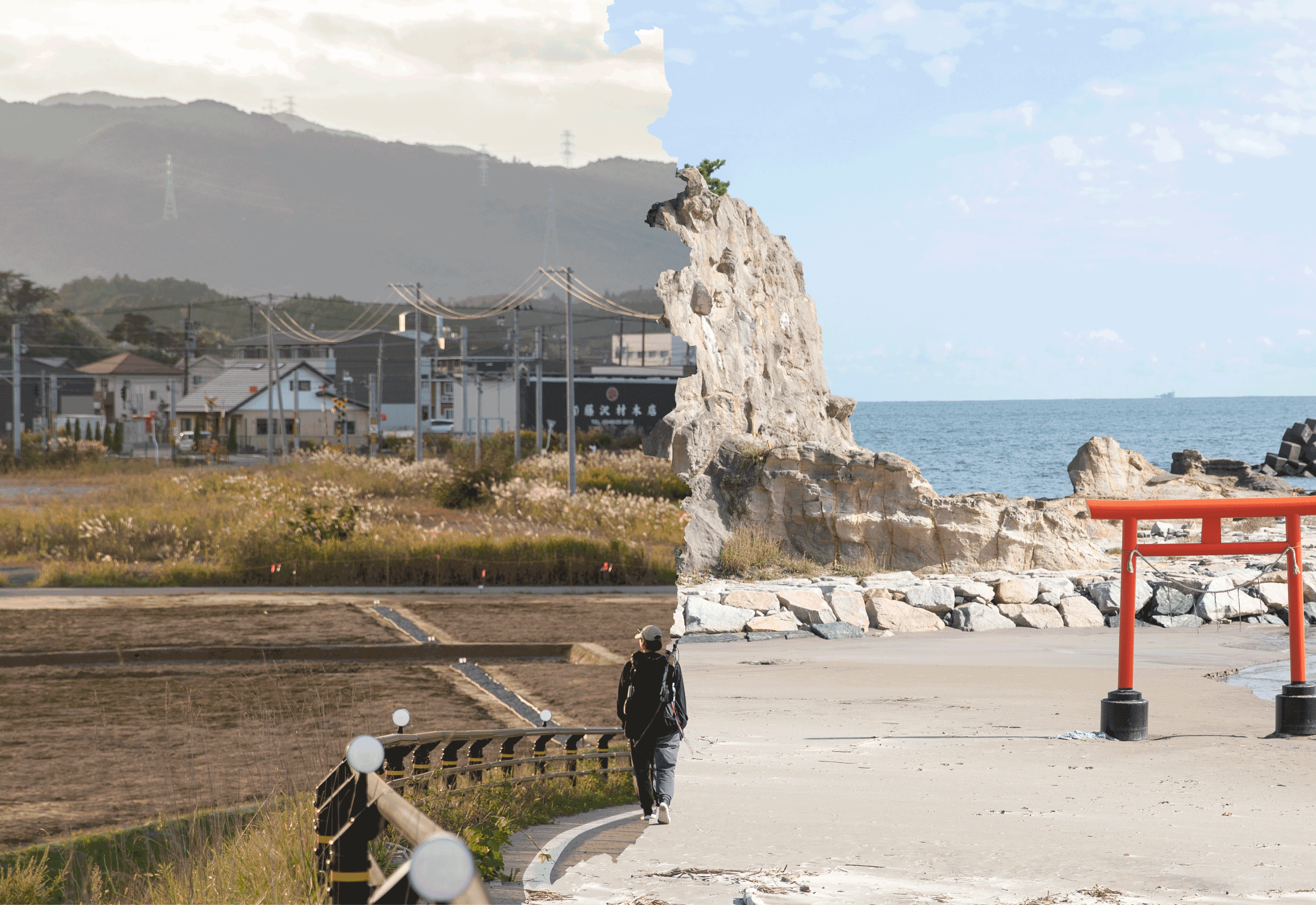




福島県新地町からいわき市までの200km超を一本につなぎ歩く「ふくしま浜街道トレイル」。 雄大でときに荒々しい太平洋を眺め、阿武隈山系に育まれた豊かな自然、地域に継承される 歴史・営みを巡り、浜通りのありのままの魅力を感じることができる、長く歩く旅の道。

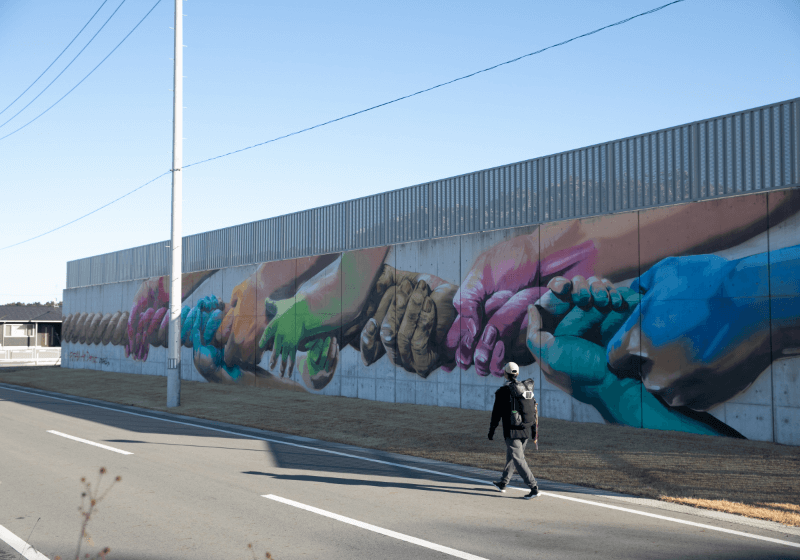
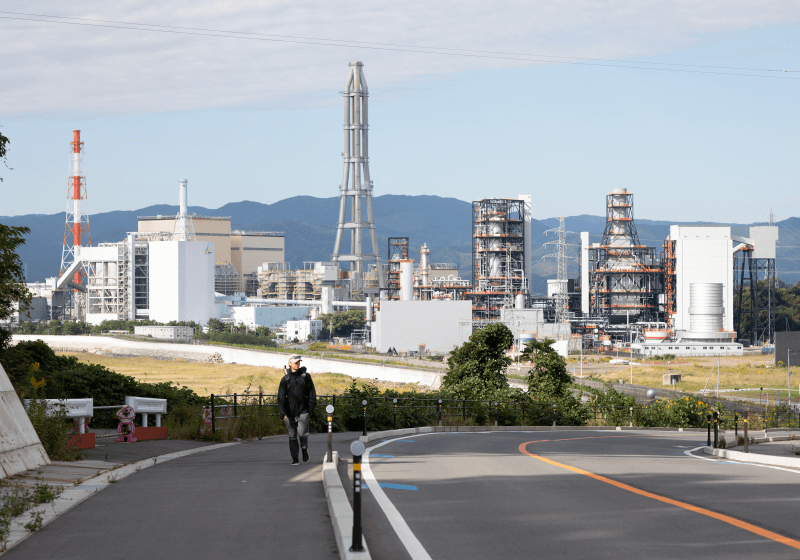
新地町、相馬市、南相馬市、浪江町、双葉町、大熊町、 富岡町、楢葉町、広野町、いわき市の10の市町を通ります。 今後、飯舘村、葛尾村、川内村を通るルートも設定される予定です。

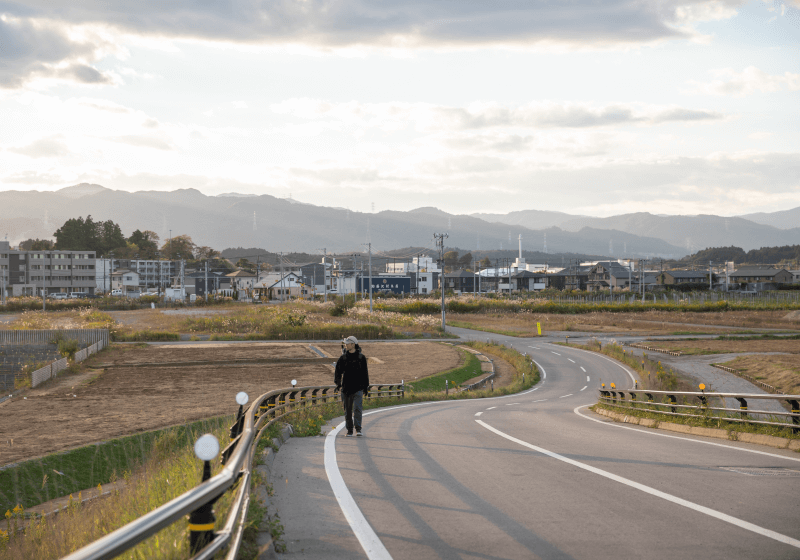
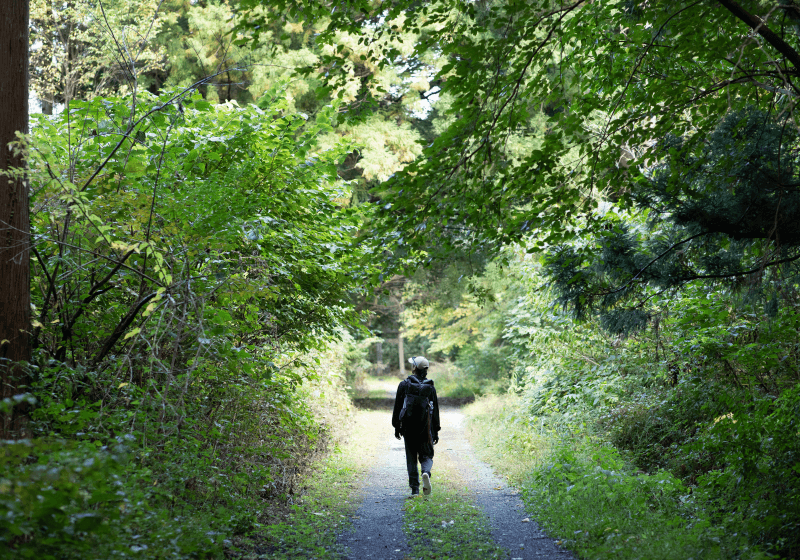
歩きながら旅をするために作られた長く一本に繋がる道のことです。 地域の文化・歴史・自然に触れ、継承や環境保全に繋がります。 心身の健康を保つことにも役立つ地域資源です。

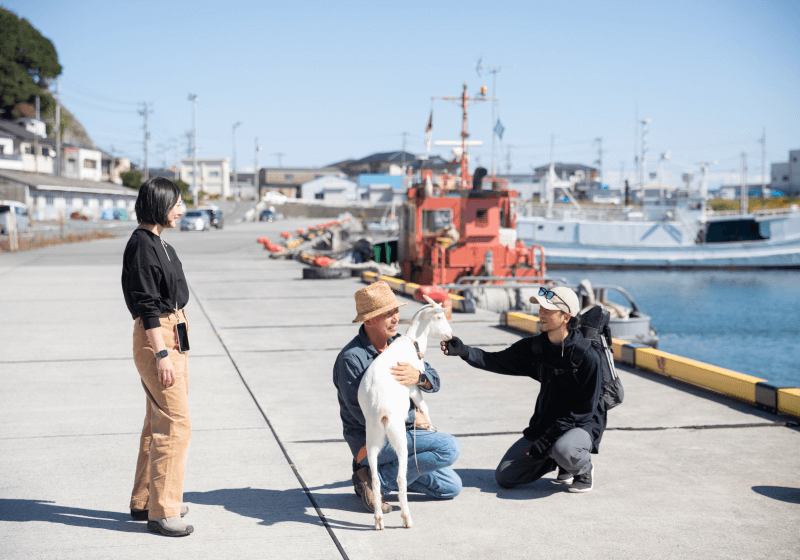

自分の足で一歩一歩、地域の魅力を五感で感じながら歩くので その土地のありのままを理解できます。 歩く速度は地域の人々との出会いをもたらし、繰り返し訪れたくなります。


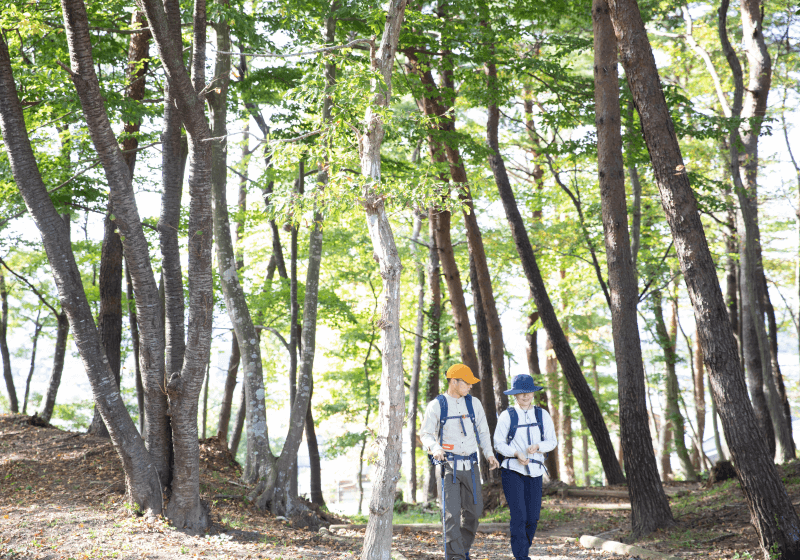
一気に通しで歩いたり、短いセクションを何回かに分けて歩いたり、 自分の予定に合わせて自由に歩くことができます。 それぞれの楽しみ方をお試しください。
Trail Charter
2011年3月11日に発生した東日本大震災は、福島県沿岸部にも未曾有の被害をもたらしました。地震と津波、そして原発事故により、施設が立地する双葉郡を中心に一時 10 万人を超える人々が避難する事態となりました。千年に一度の大地震と深刻な原発事故は、日本のみならず世界へ、自然との向き合い方、社会のあり方、そして個々人の生き方に対して大きな問いを突きつけました。
ふくしま浜街道トレイル構想は、みちのく潮風トレイルが全線開通し、さらに福島沿岸部の先まで繋がってほしいとの、多くの声が集まったことがきっかけでした。発災以降、徐々に復興が進んでいく中、2020 年には徒歩で浜通り沿岸を通れるようになりました。
そして 2023 年、福島県 13 市町村と民間有志協働のもと、新地町からいわき市まで、福島のいまが見える全⻑ 200 キロを超える⻑く歩く道が誕生したのです。
なだらかな海岸線と山々が織りなす美しい自然や景観だけでなく、日本の経済成⻑を支えてきた炭鉱や発電所をも含めた地域の風景、そこに暮らす人々とこの地を訪れる人々との交流、自然環境や時代背景の中で育まれてきた文化や歴史を大切にし、この地を当たり前に歩けることに改めて感謝しながら、未来につなぐ希望の道として存続することを願い、ここに 6 つの憲章を定めます。
On March 11th, 2011, the Great East Japan Earthquake struck, inflicting unprecedented damage on Fukushima’s coastal areas. A compound disaster—earthquake, tsunami, and nuclear accident—forced over 100,000 people, mainly from the Futaba District where the nuclear power plants were located, to evacuate. A once-in-a-millennium quake and this grave nuclear disaster posed profound questions, not only to Japan but to the world, about our relationship with nature, the structure of society, and the way we live our individual lives.
The Fukushima Coastal Trail initiative emerged from requests to connect the Michinoku Coastal Trail to a continuing route through Fukushima's coastal region. As recovery from the disaster steadily progressed, the Hamadōri coastal route became fully walkable by 2020. Finally, in September 2023, with collaboration across 13 Fukushima municipalities and volunteers from the private sector, a long-distance trail spanning over 200 km—from Shinchi to Iwaki—was born, offering an immersive journey through present-day Fukushima.
This trail stands as testimony to both natural and industrial landscapes, encompassing the beauty of the gentle shorelines and mountains, while also highlighting the coal mines and power plants that supported Japan’s economic growth. It aims to facilitate proactive interaction between visitors and local communities, encouraging the sharing of culture and history nurtured here over time. With gratitude for the simple act of being able to walk here freely, we establish six charter principles to ensure that this path remains a beacon of hope for the future.